


Every flexBOX® ships with the same promise: no extra tools, no extra steps, no wrong way to wire it in. For the most part, that’s exactly how it works.
But there’s one habit showing up on job sites that defeats the whole system, and it’s worth walking through, because the fix takes zero extra effort once you know what to look for.
What A Speed “K” Klamp Is Supposed to Do
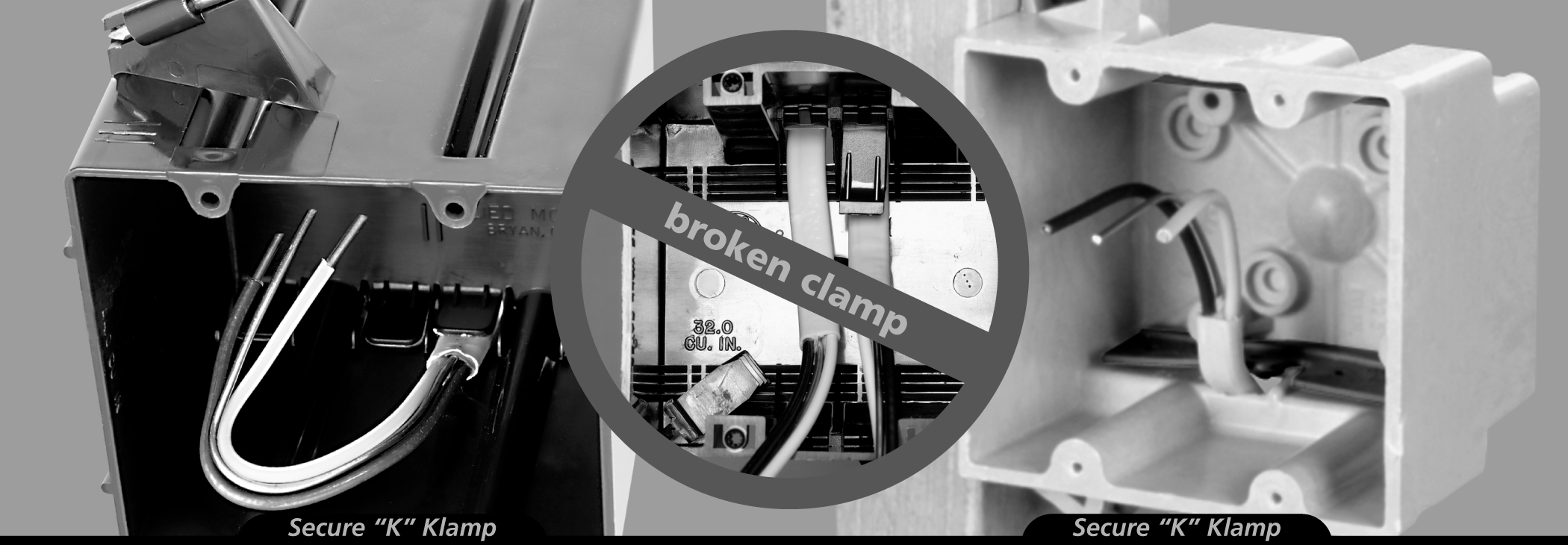
The patented Speed “K” Klamp™ system built into most flexBOX products is designed to strip out the fiddly parts of terminating a wire. There’s no flap to flip open, position, and press back down. There’s nothing extra to carry, track, or remember to set correctly. The whole process is two motions: push the wire in, then pull it back. That’s the clamp. It’s set.
It’s built to handle whatever’s coming off the spool that day: a slim 14/2, up to a heavier 10/3, even the upsized copper-clad conductors showing up more often on today’s jobs. Same motion, every time, regardless of wire type or gauge.
The Mistake That’s Showing Up in the Field
Here’s the pattern worth flagging: on some job sites, before wire ever goes in, installers are pushing the clamp flap all the way over, as far as it’ll go. It looks like a reasonable thing to do to “get it out of the way.” It isn’t. Once that flap is pushed too far over, it stops acting as a clamp at all. The tension that’s supposed to hold the wire in place is gone before the wire ever gets there.
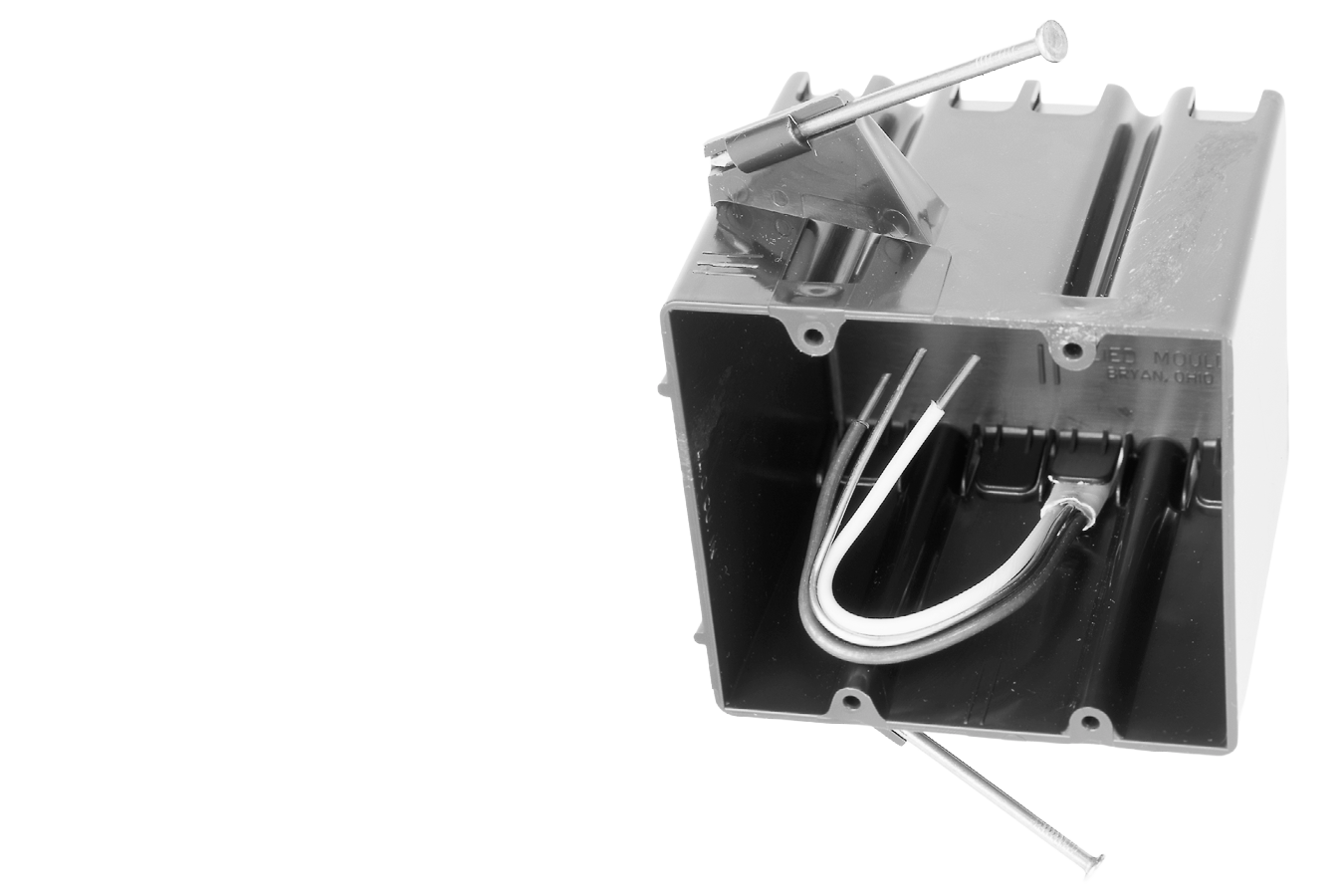
The fix is simple:
Don’t pre-set it.
Just push the wire in
and let the clamp do
what it’s built to do.
If It Feels Tight, That’s the System Working
The other thing worth knowing before you’re on the ladder: Speed “K” Klamps are supposed to have some resistance. If a wire feels a little tough to seat, that’s the clamp gripping the way it’s designed to. It’ll hold a 10/3 the same way it holds a 14/2, and it’ll hold copper-clad wire the same way it holds solid copper. There’s no adjusting needed, and no special technique required for different wire types. The tightness is the feature, not a problem to work around.
Two Motions, No Guesswork
Boiled down, the correct process is:
- Push the wire into the box through the Speed “K” Klamp opening.
- Pull the wire back slightly to set the clamp.
That’s it. No flap positioning, no second tool, no different method for a different gauge. The system was built so that an electrician moving box to box across a house doesn’t have to stop and think about which wire is going into which fitting—the same two motions work every time.
Why It Matters Beyond the Ladder
A clamp that’s been defeated before the wire even goes in is a wire that isn’t actually secured the way code and the box were designed to guarantee. Getting this right the first time means fewer callbacks, fewer inspection flags, and less time spent troubleshooting a connection that should have taken five seconds.
It’s a small habit to unlearn, but it’s the difference between an electrical outlet box doing exactly what it was engineered to do, and a box that’s only halfway holding up its end of the job.